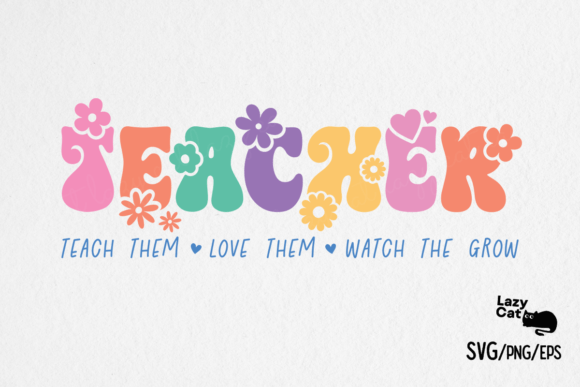
Teacher Flower SVG: A Designer’s Embroidery Review
As a designer who has spent countless hours digitizing and testing files for real-world application, I approach every new embroidery design with a critical eye. It is not enough for a graphic to look pretty on a screen; it must translate seamlessly into thread, withstand the tension of the hoop, and appeal to the end customer. Recently, I evaluated the Teacher Flower SVG to determine its viability for commercial and personal projects. This review breaks down how this asset performs when moved from digital Graphics into tangible Crafts.
First Impressions and Visual Personality
The first thing that strikes you about the Teacher Flower SVG is its balanced composition. It avoids the clutter often found in themed designs, opting instead for a clean, recognizable silhouette that pairs educational motifs with organic floral elements. For an embroidery project, this clarity is vital. Complex, overly detailed vectors often result in messy stitching, especially at smaller scales. This design, however, maintains distinct shapes that allow for clear stitch definition.
The mood is warm and appreciative, making it an ideal candidate for personalized gifts. It does not scream "generic template"; rather, it feels curated. When I visualized this as a finished product, I immediately thought of its potential in boutique settings. The layout suggests a design that respects negative space, which is crucial for maintaining fabric integrity and ensuring the embroidery does not become too dense or stiff.
Real-World Application: The Custom Tote Bag Test
To truly understand the value of an embroidery file, you must imagine it on a specific product. I pictured this design applied to a canvas tote bag, a staple item for teachers carrying books and supplies. Canvas is a sturdy fabric, but it has a visible weave. The Teacher Flower SVG, with its solid shapes, would hold up well here. Using a combination of satin stitch for the outlines and fill stitch for the larger floral areas would create a textured, professional look.
In this scenario, the design serves as the focal point. Because the file package includes both color and black versions, I could easily adapt it to different bag colors. A black version on a natural beige canvas offers a classic, high-contrast aesthetic that appeals to a wide demographic. This versatility is a significant advantage for any Etsy seller or small shop product creator looking to maximize inventory without creating entirely new designs.
Apparel and Soft Goods Considerations
Beyond totes, this design shines in custom apparel. Imagine it embroidered on the left chest of a teacher’s cardigan or the back of a sweatshirt. For sweatshirt embroidery, the fabric is thicker, allowing for slightly denser stitching without puckering. However, caution is needed. If the design includes fine lines, they may get lost in the fleece texture. Since the Teacher Flower SVG relies on bold shapes, it mitigates this risk.
For baby embroidery items, such as onesies or bibs, the scale becomes critical. You would need to resize the design significantly. In these cases, I recommend simplifying the stitch types. Replacing complex fills with running stitch outlines can reduce bulk, making the garment more comfortable for sensitive skin. Always test on scrap fabric first to ensure the stitch density does not compromise the softness of the material.
Technical Performance and File Utility
The product description notes that you receive five files: two SVGs (color and black), two PNGs at 300 dpi (color and black), and one EPS. For those of us working in the Crafts sector, this mix is practical. The SVGs are essential for cutting machines like Cricut or Silhouette, allowing for heat transfer vinyl (HTV) applications if embroidery is not an option. The PNGs are invaluable for creating printable mockup assets for online listings, while the EPS file serves as a scalable vector source for further customization in design software.
However, a note of caution for embroidery machine users: SVGs are vector graphics, not native embroidery formats like PES or DST. To use this in an embroidery machine, you must digitize it or convert it using specialized software. If you are not a digitizer, ensure you have the tools to convert these vectors into stitch files properly. Poor conversion can lead to excessive jump stitches or incorrect underlay. If you are purchasing this for direct machine use, verify that you have the workflow to handle vector-to-stitch conversion, or look for a version that already includes native embroidery formats.
Where to Use Caution
While the design is versatile, it is not universal. Avoid using this on highly textured fabrics like loose-knit sweaters without a strong cut-away stabilizer. The open weave can cause stitches to sink, losing the definition of the flower petals. Similarly, be mindful when applying it to stretchy fabrics. Without proper hooping technique and stabilizer, the design may distort after washing.
Dark fabrics present another challenge. If you use the color version, ensure your thread colors have enough contrast against the background. A dark blue thread on a black shirt will vanish. In such cases, the black-and-white version provided in the package might actually be more effective if stitched in white or metallic thread, creating a striking monochrome effect.
Enhancing Brand Value and Customer Trust
For commercial embroidery professionals, the quality of your design assets directly impacts your brand perception. A clean, well-balanced design like the Teacher Flower SVG signals professionalism. It shows that you care about the aesthetic outcome, not just the speed of production. When customers receive a personalized gift that looks crisp and intentional, their trust in your craft business grows. This leads to repeat buyers and positive reviews, which are the lifeblood of any handmade product enterprise.
Furthermore, using consistent, high-quality design assets helps in building a cohesive brand identity. If your shop specializes in educator-themed items, this design fits seamlessly into a broader collection. It allows you to create varied products—patches, towels, aprons—while maintaining a recognizable visual style.
Practical Designer Notes for Success
Before launching this design into your production line, consider these steps:
- Test on Scrap Fabric: Always run a test stitch-out on the same fabric type you intend to sell. Check for puckering, thread breaks, and coverage.
- Check Thread Contrast: Lay your physical thread spools against the fabric to ensure visibility. Digital screens can misrepresent color accuracy.
- Review Stitch Density: If converting the SVG yourself, adjust the density to suit the fabric weight. Lighter fabrics need lighter fill settings.
- Confirm Hoop Size: Ensure the design fits comfortably within your standard hoop sizes, leaving enough margin for clamping.
- Inspect Small Details: Zoom in on the vector file. Are there any stray nodes or overlapping paths? Clean up the vector before digitizing to prevent stitching errors.
- Licensing Verification: Always confirm the license terms. Can you sell finished physical items? Can you resell the digital file? Clarity here protects your business legally.
In conclusion, the Teacher Flower SVG is a robust asset for designers and makers. Its strength lies in its simplicity and adaptability across various Crafts and Graphics applications. By understanding its technical requirements and pairing it with the right materials, you can create stunning, marketable products that resonate with your audience. Whether for a holiday gift or a year-round boutique item, this design holds up under professional scrutiny.